

For years, the human body has been viewed as something automatic: it breathes, filters, eliminates, and keeps going without us having to think much about it. However, there are organs that work silently, and we only notice when something is wrong. The kidneys are a prime example. They are there, discreet, performing a vital function 24 hours a day, and yet many people don’t pay attention to them until the problem is already advanced.
At first glance, the kidneys seem like simple filters. But in reality, they are veritable control centers. They are responsible for cleaning the blood, eliminating toxins, regulating fluids, maintaining mineral balance, and even helping to control blood pressure. When they are functioning properly, we hardly notice. The problem begins when they stop working as they should, and often the initial warning signs go unnoticed.
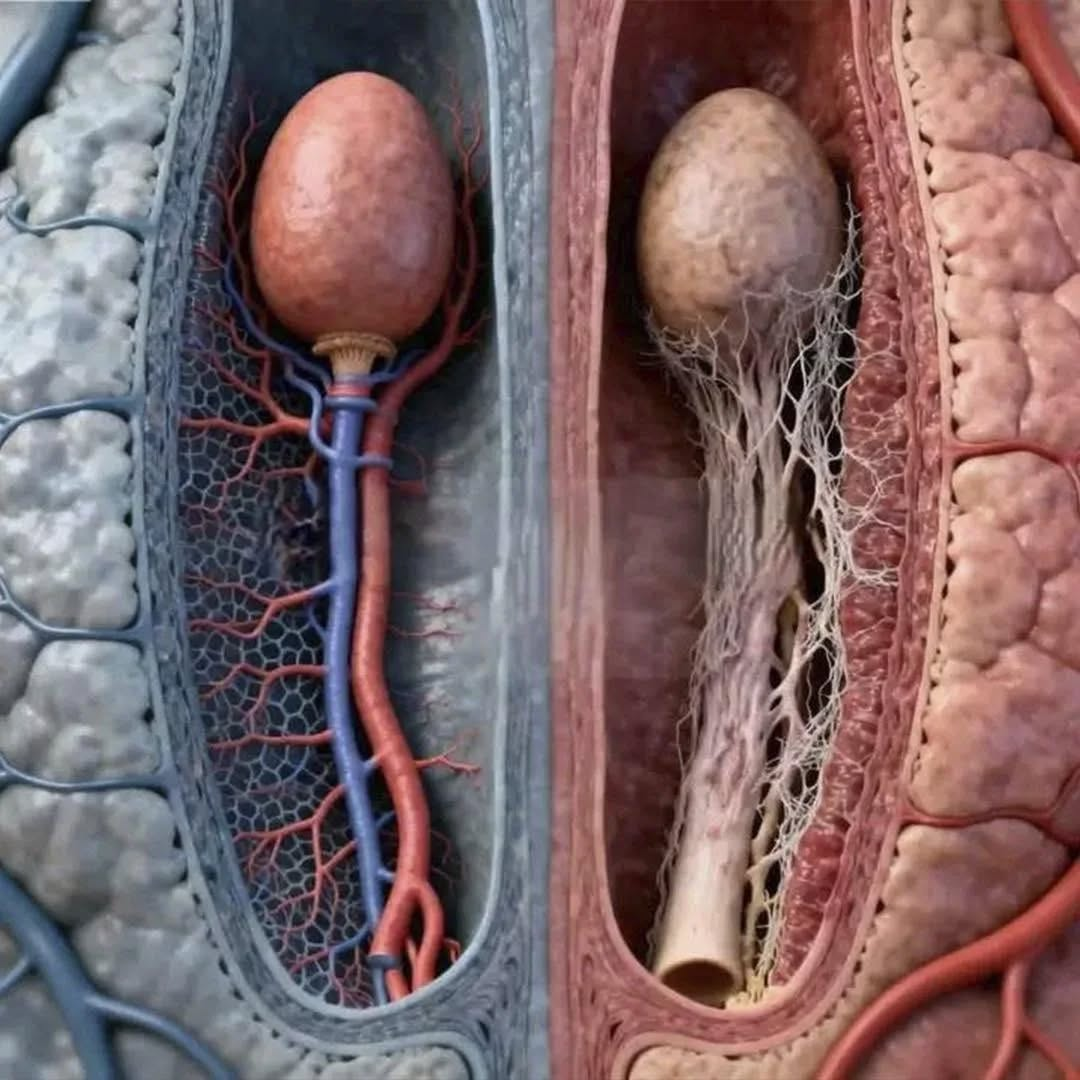
Images comparing a “healthy” kidney to a “damaged” one can be shocking. Blocked blood vessels, deteriorated tissue, and damaged internal structures reveal a reality we don’t usually see. But beyond the visual impact, the important thing is to understand what leads to this deterioration and how it can be prevented.
One of the silent enemies of the kidneys is the modern lifestyle. Diets high in salt, sugar, and ultra-processed foods overload the system. Excess sodium forces the kidneys to work harder than they should, while excess sugar directly affects the blood vessels that supply them. Over time, this constant effort takes its toll.
Dehydration is another key factor. Many people go hours without drinking enough water, replacing it with soda, coffee, or sugary drinks. The kidneys need water to filter properly. When they don’t receive enough, the concentration of waste products increases, and so does the risk of damage.
High blood pressure is one of the most common causes of kidney damage. The tricky part is that hypertension doesn’t always produce clear symptoms. It can be present for years without any obvious discomfort, while slowly damaging the delicate blood vessels of the kidneys. By the time kidney problems are detected, the high blood pressure has often already been causing significant damage.
Something similar happens with high blood sugar levels. Poorly controlled diabetes directly affects the kidneys’ ability to filter properly. Excess glucose damages the small internal filters, causing substances that should remain in the body to be lost through urine.
The most worrying thing is that the early stages of kidney damage are often silent. There is no pain, no clear signs. At most, you might experience fatigue, mild swelling in your feet or ankles, changes in your urine, or a general feeling of malaise that is easily mistaken for stress or lack of sleep.
Over time, if the underlying cause is not addressed, the damage progresses. The kidneys lose their filtering capacity, toxins accumulate in the body, and more noticeable symptoms begin to appear: significant swelling, extreme fatigue, difficulty concentrating, major changes in urine, and blood pressure problems that are difficult to control.
CONTINUE READING IN THE NEXT PAGE
