
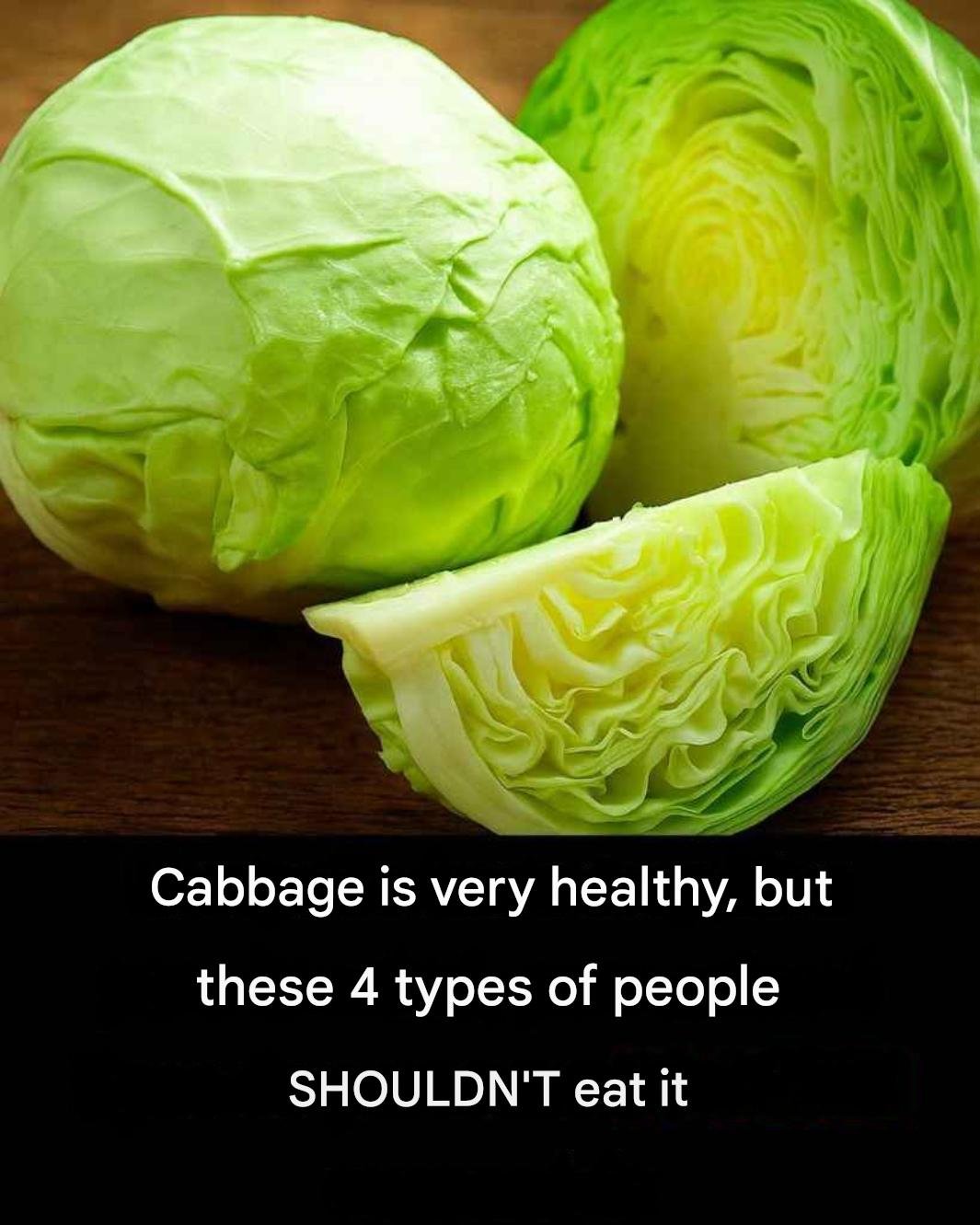

While cabbage is a staple for its nutritional benefits, it’s not without its risks for certain organisms. Discover what physical or medical characteristics transform this superfood into an unsuspected threat.
Cabbage, a star vegetable of French cuisine.
Cabbage-based dish.
In France, cabbage is as integral to our culinary heritage as cheese or wine. This versatile vegetable is packed with essential nutrients: vitamins A, P, C, E, and B, which help protect our cardiovascular system, stimulate our brain function, and boost our energy. With its low calorie content, it’s a wise choice for those watching their weight without sacrificing the pleasure of eating well.
During the cold months, its comforting preparations, such as stews or soups, become real remedies for the winter blues. But like any food, it requires a few precautions when using it…
When should you moderate your cabbage consumption?
In case of thyroid problems
Cabbage and thyroid health
The thyroid functions like our body’s thermostat. However, cabbage contains goitrogenic compounds that can interfere with its proper functioning, especially in people who already have hormonal imbalances.
For cabbage lovers affected by these problems, there’s a simple technique: soak the leaves in lightly salted water for about fifteen minutes before finely chopping them. This preparation neutralizes a large portion of the problematic substances.
For sensitive digestive systems
Digestive problems
The abundant fiber in cabbage acts as a very effective intestinal broom. While it can provide relief for sluggish transit, it can turn into a real storm for fragile or irritated intestines.
People suffering from chronic digestive disorders (such as irritable bowel syndrome) should instead turn to more easily digestible vegetables such as cooked spinach or green beans, which are less aggressive on the intestinal mucosa.
For people with allergies or eye problems
Contrary to popular belief, food allergies don’t just affect nuts or seafood. Cabbage, especially when fermented (as in sauerkraut), can trigger reactions similar to hay fever: sneezing, itchy eyes, runny nose.
These symptoms are explained by the natural presence of histamine in this vegetable, a molecule that can cause excessive immune system reactions in predisposed individuals.
In case of kidney fragility
Kidney health
The oxalic acid in cabbage can form crystals with certain minerals, creating kidney stones in vulnerable individuals. For patients undergoing kidney treatment, it is recommended to:
– Prefer prolonged cooking
– Avoid consuming the cooking broth
– Combine cabbage with foods rich in calcium to partially neutralize oxalic acid
Cabbage remains an exceptional food for its nutritional qualities, but requires reasonable consumption in certain specific cases. The important thing is to adapt your consumption to your state of health and your physiological particularities.
As with any food, moderation and listening to your body remain the best guides. So, how do you plan to incorporate cabbage into your next meals, taking these tips into account?
