
We’ve all been there: searching the pantry for stale bread. It can be disappointing to see food that no longer looks as fresh and appetizing as it once did. But before you throw it in the trash, heed the advice of your mother-in-law, who insists it’s a waste not to use it. This dilemma between throwing away or reusing stale bread is common in many households.
In this article, we’ll explore what stale bread is, its safety, and the environmental impact of food waste. We’ll also explore creative ways to revitalize it, popular hacks, and expert advice to help you make an informed decision. Let’s dive into the world of stale bread and find out if it’s really worth saving.
1. Understanding Stale Bread: What Does It Mean?
Stale bread is bread that has lost its moisture and become dry and hard. This process, called retrogradation, occurs when the starch molecules in the bread crystallize and expel water. This can happen a few days after baking, especially if the bread is not stored properly.
While stale bread is often associated with old age or spoilage, it is important to note that it is different from mold. Stale bread is still safe to eat, as long as it shows no signs of mold or spoilage. Its texture may be less appetizing, but the bread itself is not harmful.
2. Is it safe to eat stale bread?
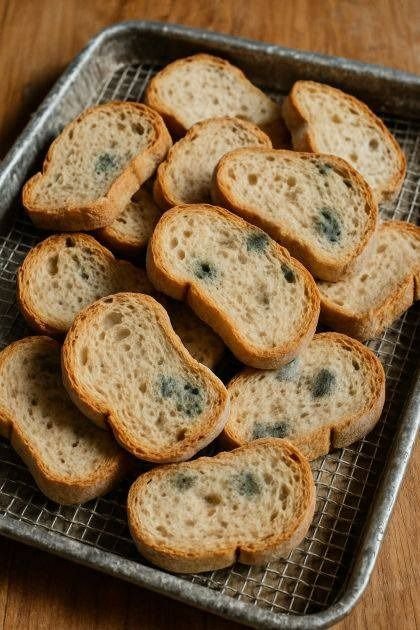
Stale bread is generally edible as long as it is free of mold. These can appear as green, black, or white spots and should be avoided as they can produce mycotoxins, which are harmful to health. If the bread is simply dry and hard, it is safe to eat.
However, its texture and flavor may not be as pleasant as fresh bread. For an even more enjoyable experience, consider toasting it or using it in recipes with a less pronounced texture, such as bread pudding or croutons.
3. Environmental impact of food waste
Food waste is a major environmental issue: approximately 1.3 billion tons of food are thrown away worldwide each year. Bread is one of the most frequently discarded foods. Throwing away food not only means a loss of resources used for production, such as water and
energy, but also contributes to greenhouse gas emissions when it decomposes in landfills.
By finding ways to reuse old bread, you’re helping to reduce food waste and its environmental impact. Even small actions, like reusing old bread, can contribute to a more sustainable food system.
4. Creative Ways to Revive Stale Bread
There are several creative ways to revive stale bread. One popular method is to sprinkle the bread with a little water and then place it in an oven preheated to 175°C (350°F) for about 10 minutes. This helps restore some of its moisture and add more flavor.
Another option is to use stale bread in naturally moist recipes, such as dry breads, bread pudding, or stuffing. These dishes transform dry bread into a delicious meal and use up what would otherwise be wasted.
5. Popular Viral Tricks for Using Stale Bread
Social media is full of viral tricks for using stale bread. One popular trick is to use stale bread to make homemade breadcrumbs. Simply grind the bread in a food processor and store the crumbs in an airtight container for later use in recipes like meatballs or as a topping for casseroles.
Another trendy hack is to use stale bread to make croutons. Dice it, toss it with olive oil and spices (optional), then bake until crispy. These croutons will add a crunchy touch to salads and soups.
6. Nutritional Value: Does Stale Bread Lose Its Benefits?
Stale bread retains most of its nutritional value, as the main change is in its texture rather than its composition. Bread is a source of carbohydrates, fiber, and some vitamins and minerals, and these nutrients remain intact even as it ages.
However, if the bread is enriched or fortified, some added nutrients may degrade over time. It’s also important to note that the enjoyment of eating stale bread may decrease, which may influence how often you eat it.
7. How to Properly Store Bread to Prevent Staleness
Proper storage is essential to prevent bread from going stale. It should be stored in a cool, dry place, preferably in a bread box or paper bag that allows good air circulation. Avoid storing bread in the refrigerator, as the cold can accelerate staling, which makes the starch crystallize faster.
If you have more bread than you can eat in a few days, consider freezing it. Wrap it tightly in plastic wrap or aluminum foil and place it in a freezer bag. To eat, thaw it at room temperature or toast it straight from the freezer.
8. When to Draw the Line: Signs Your Bread Is Beyond Salvage
While stale bread can often be salvaged, sometimes it’s best to throw it away. If you notice signs of mold, such as lint or a bad odor, it’s time to throw the bread out. Mold can spread quickly, even if it isn’t visible on the entire loaf.
Additionally, if the bread has been stored for a long time and has become extremely hard or has an unpleasant flavor, it may not be worth keeping. In this case, it’s better to prioritize safety and quality over reducing waste.
9. Cultural Perspectives on Food Waste
Cultures have different perspectives on food waste. For example, in many European countries, there is a deep-rooted tradition of using all elements of food, including stale bread, in creative ways. Dishes like Italian panzanella or French toast are traditional recipes that use leftover bread.
However, some cultures prioritize freshness and discard expired food. Understanding these cultural differences can shed light on food waste management and inspire us to adopt more sustainable practices.
10. Expert Opinion: What Chefs Say About Stale Bread
Many chefs view stale bread as an opportunity rather than a problem. Celebrity chefs often emphasize the importance of minimizing waste and finding creative uses for ingredients that would otherwise be discarded. Stale bread can be a versatile ingredient in cooking, suitable for a wide variety of dishes.
Chef Massimo Bottura, for example, is recognized for his commitment to reducing food waste and has created recipes specifically designed to use stale bread. His approach highlights the potential for culinary innovation and sustainability.
11. Decision-Making: Factors to Consider
When deciding whether to use or discard stale bread, consider factors such as safety, taste, and environmental impact. If the bread is safe to eat and can be used in a way that improves its taste, it may be a good idea to keep it. On the other hand, if it’s moldy or unappetizing, it’s best to prioritize health and quality.
Ultimately, the decision depends on your personal preferences and values. By educating yourself about the options and potential benefits of stale bread, you can make a choice that aligns with your priorities and contributes to a more sustainable lifestyle.
