

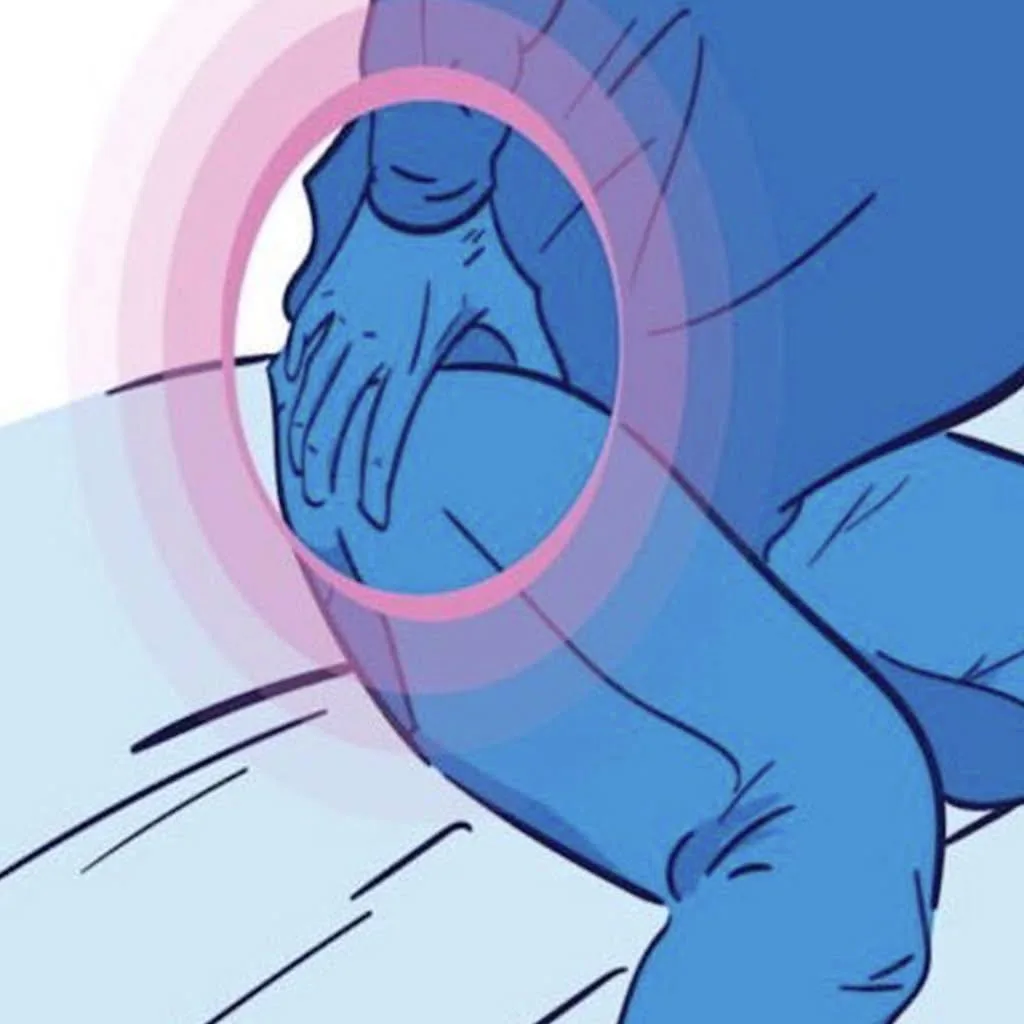
If your hip hurts, it’s a clear sign that…
Prosthetics step by step: what to expect?
Many people are scared by the mere thought of surgery. Let’s take a look at how it usually goes:
✔️Before the operation:
• Complete examinations: blood tests, X-ray or MRI.
• Consultation with an anesthesiologist.
• Home preparation (comfortable bed, bathroom rails, crutches or a cane).
✔️On the day of the surgery:
• Lasts 1–2 hours.
• Spinal anesthesia is usually used (you are awake but pain-free).
✔️After the surgery:
• The very next day, the patient starts to get up and take his first steps with the help of the medical team.
• After 1–3 months, normal activity is restored.
⸻
Life after: how to maintain the result for a long time
✅Regular check-ups with an orthopedist.
✅Maintaining a healthy weight.
✅Moderate physical activity — lifelong.
✅Quitting smoking — it slows down recovery.
✅Proper shoes and orthopedic insoles.
⸻
Most importantly: take care of yourself!
Hip wear and tear is not a sentence. The sooner you recognize that your joint needs help, the better your chances of maintaining pain-free mobility. Listen to your body, don’t be afraid to seek professional help, and share your experiences with others.
⸻
Tell your story!
If you have already been through pain, treatment, or surgery — write about it! Your story can be a support for someone who is now taking the first steps towards a healthy hip.
🗂️Useful checklist: questions to ask your doctor before surgery
If you or your loved ones are about to have a hip replacement surgery, don’t hesitate to ask questions! Here is a sample list:
✅What type of prosthesis is right for me?
✅What material will the implant be made of?
✅What is its average durability?
✅What are the risks of complications and how can I avoid them?
✅How many days will I be in the hospital?
✅When will I be able to return to work?
✅Will I need help at home?
✅What exercises are mandatory after surgery?
✅What should I do if the pain returns?
Tip: write down these questions and bring them with you to the exam so you don’t miss anything.
⸻
📅Recovery diary: the first 4 weeks after surgery
Proper rehabilitation is half the battle. Here is a tentative plan (but always consult with your surgeon and physiotherapist):
📌Week 1
• Getting out of bed with help.
• Light exercises: moving the toes, bending the knee.
• Learning to walk with crutches or a walker.
📌Week 2
• Increase walking.
• Muscle strengthening exercises.
• Correct sitting and standing.
📌Week 3
• First attempts at walking without crutches.
• Exercises with a rubber band (as directed).
• Climbing and descending 1–2 steps.
📌Week 4
• Gradually increase walking distance.
• Continued exercises.
• If necessary — plan with a rehabilitater.
CONTINUE READING IN THE NEXT PAGE
